
Taxi vs Public Transport vs Private Car: City Guide
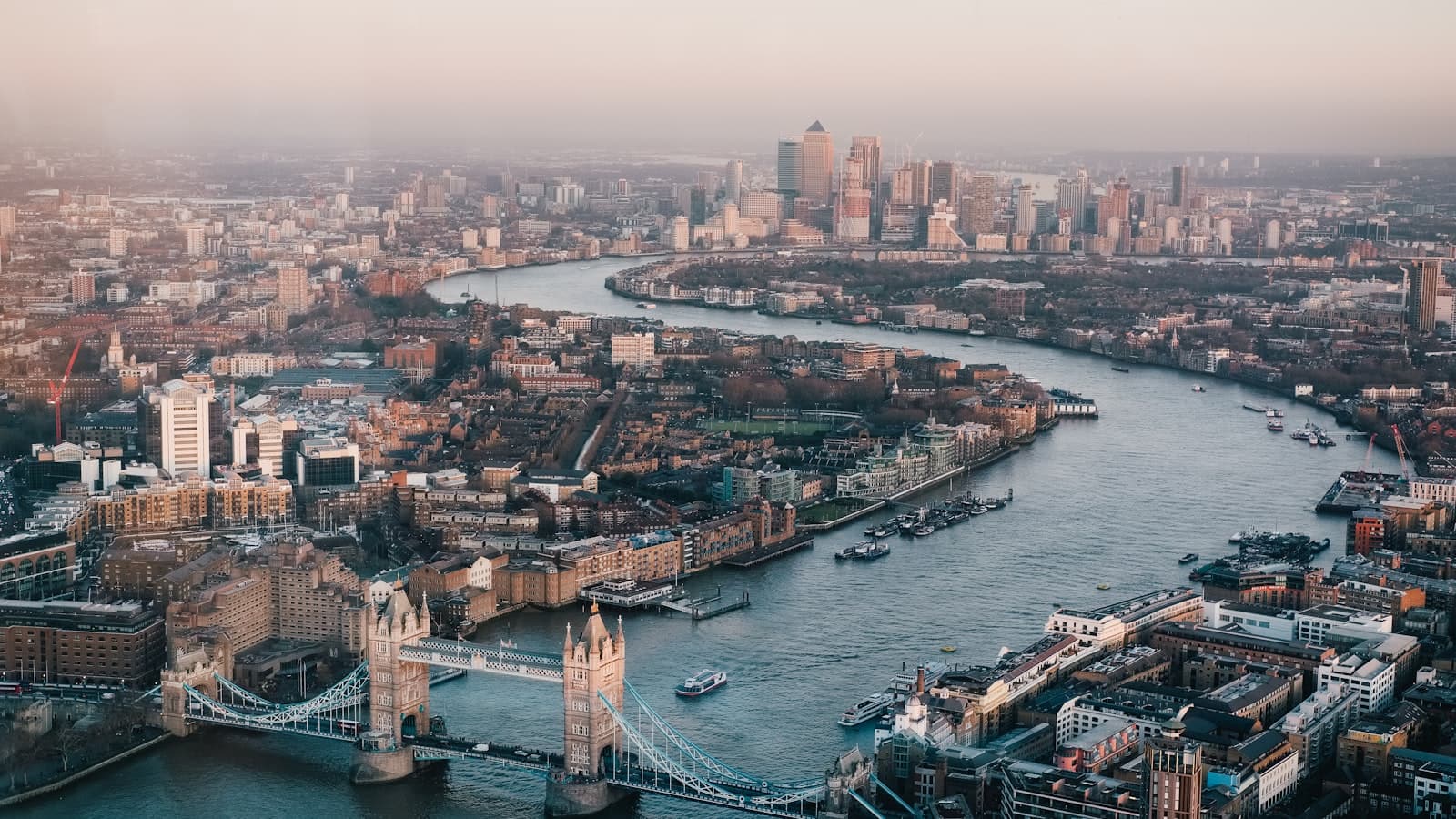
The right city transport is the option that meets the moment. A train may dominate daily sightseeing, while a licensed taxi makes more sense for an early airport run with luggage.
Public transport is usually the smartest answer in the biggest cities with mature metro or rail systems. Tokyo, Seoul, Singapore, Hong Kong, London, Paris, Madrid, and New York all heavily reward travelers who use trains and subways for the core of the trip. They are fast, predictable, and usually much cheaper than repeated taxis.
Taxis and rideshare do better when one of three things is true. You are arriving or leaving with luggage. You are moving late at night after transit frequency drops. Or you are traveling in a small group where splitting the fare closes the price gap enough to buy back a lot of convenience.
Private cars make the most sense when the city itself is not the point. Airport transfers, business meetings, long suburban trips, day touring, or places where the road network is more practical than the rail network can all justify it. They are also useful when safety, time precision, or family logistics matter more than squeezing every last dollar from the local transport budget.
Here is the quick city version:
| City | Best default option | When taxi or private car wins |
|---|---|---|
| Tokyo | Rail | Late night, airport luggage, group travel |
| London | Tube and rail | Very late return trips, airport transfers, family groups |
| Paris | Metro and RER | Early airport runs, strikes, bulky luggage |
| Bangkok | BTS and MRT for main corridors | Rain, heat, late nights, awkward cross city trips |
| New York | Subway in Manhattan and core areas | Airports, outer borough edge cases, late night groups |
| Rome | Walk + metro + bus mix | Airport transfers, tight schedules, family travel |
| Dubai | Metro on core routes | Heat, off corridor hotels, family or business convenience |
Tokyo is the easiest city in the world to use as a public transport example because the rail network is so good it makes a lot of taxis feel unnecessary. That said, a taxi after the last train or an airport transfer with multiple bags can still be worth every yen.
Bangkok shows the opposite tension. Trains are strong on the corridors they cover, but they do not solve everything. In bad weather, during late nights, or when your route crosses awkward traffic zones, a car can save energy even when it does not save money. That trade can be worth it.
London and Paris are also useful because they remind travelers that airport transport is its own category. Inside the city, public transport often wins. With luggage, children, a red eye, or a 5:30 a.m. check in, the equation changes fast.
Compare the whole journey
For an airport transfer, include the walk to the station, stairs, transfers, wait time, and the last mile to the hotel. For a taxi or private car, include tolls, airport surcharges, congestion, and pickup-zone rules. A quoted fare and a metro ticket are not equivalent products.
Use a safety fallback
Use official taxi ranks or locally recognized apps, confirm the plate and driver before entering, and share the trip when the app supports it. Do not accept unsolicited airport rides. If traveling alone late at night, unfamiliar with the area, or carrying expensive equipment, paying for a more controlled option can be sensible.
Use public transport for repeated city movement, taxis for awkward or late journeys, and a booked private car when timing or group logistics justify it. Mix modes rather than forcing one answer onto the entire trip.
Spend less on the flight so you can choose convenience where it actually matters →