
Best Areas to Stay in 7 Major Cities
A hotel can be excellent and still be wrong for the trip. Choose the neighborhood first, based on the places you expect to visit and the time you are willing to spend in transit.
You usually do not need the absolute center of a city. You need a place that makes your actual trip easy. If your plans revolve around museums and walking, stay somewhere central but livable. If food and nightlife matter most, stay where the evenings are good and the late taxi ride home does not become part of the budget. If you are on a family trip, access to transit, parks, and simple restaurants often beats postcard views.
These are starting points, not universal rankings:
| City | Best area for first timers | Best area for food and nightlife | Best area for value |
|---|---|---|---|
| London | Covent Garden, South Bank | Soho, Shoreditch | Paddington, Kings Cross |
| Paris | Saint Germain, Le Marais | Canal Saint Martin, Bastille | République, Montparnasse |
| Tokyo | Shinjuku, Ginza | Shibuya, Ebisu | Ueno, Asakusa |
| New York | Midtown South, Flatiron | Lower East Side, Williamsburg | Long Island City, Downtown Brooklyn |
| Rome | Centro Storico, Campo de' Fiori | Trastevere | Prati, Testaccio |
| Bangkok | Sukhumvit, Riverside | Thonglor, Silom | Ari, Phaya Thai |
| Singapore | City Hall, Marina area | Tiong Bahru, Keong Saik | Bugis, Lavender |
London: optimize for the Tube lines you will use
Covent Garden and South Bank keep many first-trip sights within walking distance. Paddington and King’s Cross trade postcard atmosphere for stronger rail connections and often better value. Check the exact walk to the nearest station; “near transport” can mean very different things on a hotel listing.
Paris: decide what you want after dinner
A modest room in Le Marais can beat a larger hotel on the edge of the city when evening walks and restaurants matter. Saint-Germain is classic and central. Canal Saint-Martin and Bastille suit travelers who care more about neighborhood life than postcard proximity.
Tokyo: the station matters as much as the district
Shinjuku offers reach and energy. Ginza is calmer and polished. Ueno often provides better value, while Asakusa suits travelers who prefer a slower base. Check how many transfers your daily routes require; two hotels a mile apart can produce very different travel times.
New York: stay on the right subway path
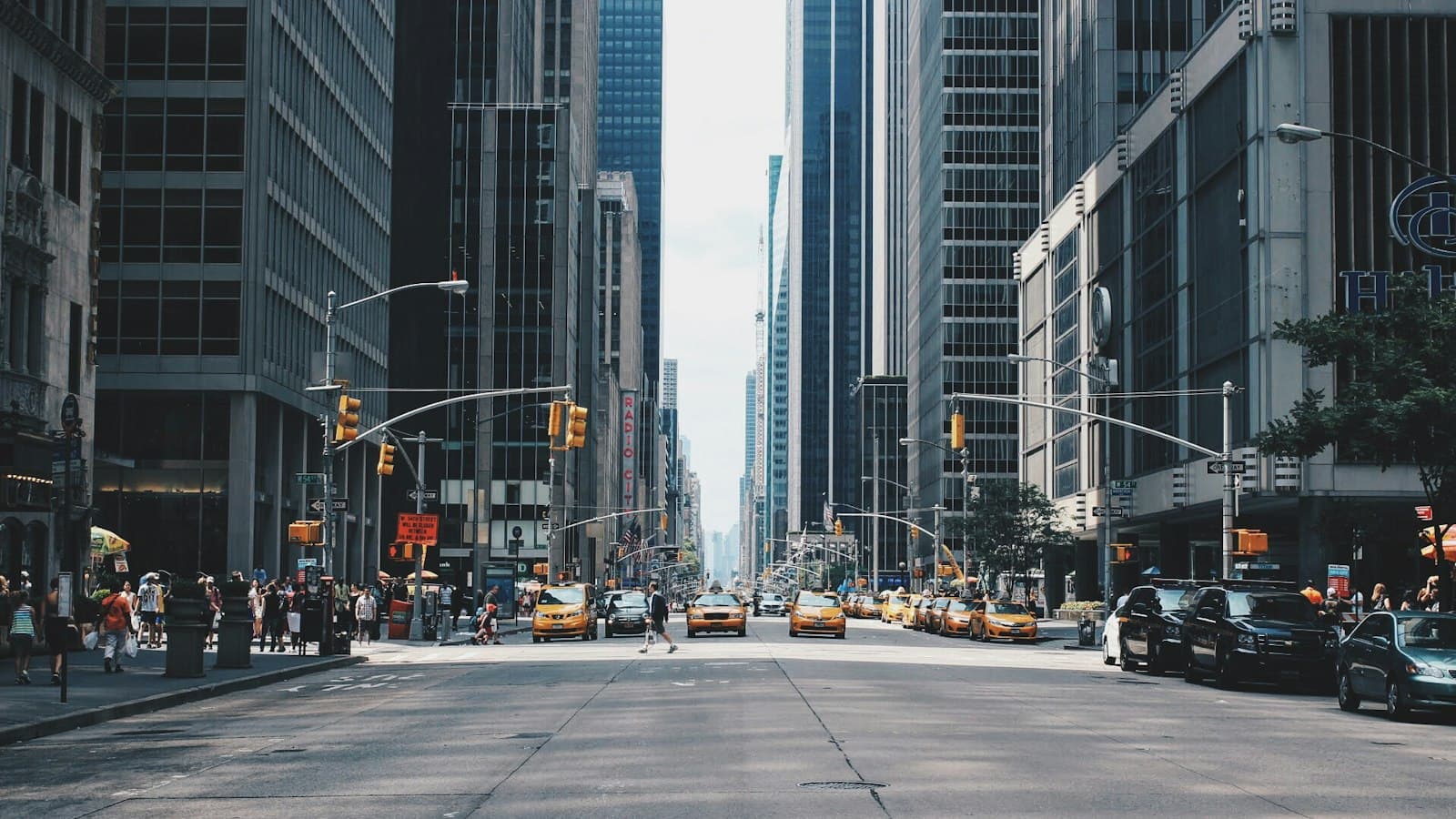
Midtown South and Flatiron are central without putting every night in Times Square. The Lower East Side works for food and late nights. Long Island City and Downtown Brooklyn can offer better room value, but only when the hotel sits near a useful subway line.
Rome is one of those cities where staying "too central" can be charming for half a day and irritating after that. Centro Storico is lovely and convenient for a first trip. Trastevere is fun if you want atmosphere and dinners that turn into longer nights. Prati is the smart calm option for travelers who want better sleep, cleaner transit patterns, and fewer tourist crowds the second they step outside.
Bangkok is all about matching the neighborhood to your trip style. Sukhumvit makes sense for most first time visitors because it is well connected and full of hotel inventory. Riverside is stronger if you want a more relaxed version of the city. Ari is a great value choice if you like cafes and a local feel without feeling isolated. Staying in the wrong traffic zone in Bangkok can turn a forty minute outing into a personality test, so this choice matters.
Neighborhood conditions, transit service, and hotel inventory change. Before booking, read recent reviews about street noise and the immediate block, map two representative trips, and check official transit notices. Pay for useful location before decorative luxury.
If you want one final filter, use this: pick the neighborhood that helps your mornings and your evenings. Those are the two moments when bad location decisions become painfully obvious.
Search smarter flights first, then book the neighborhood that fits the trip →